
How Ekta Group Has Redefined Modern Security Since 1992
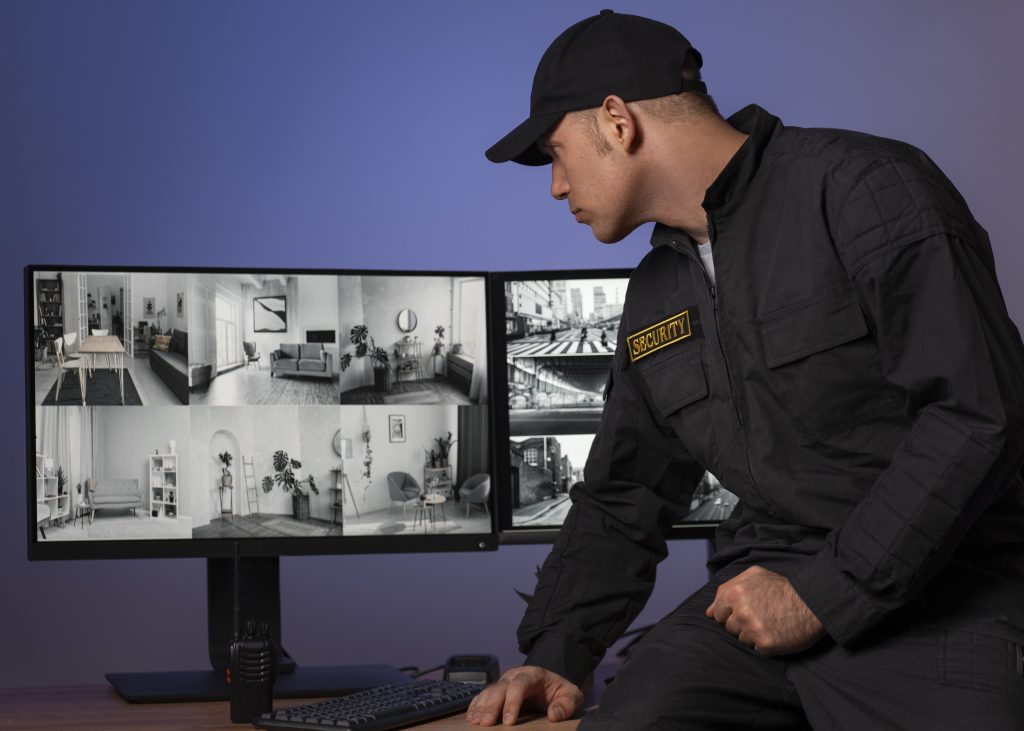
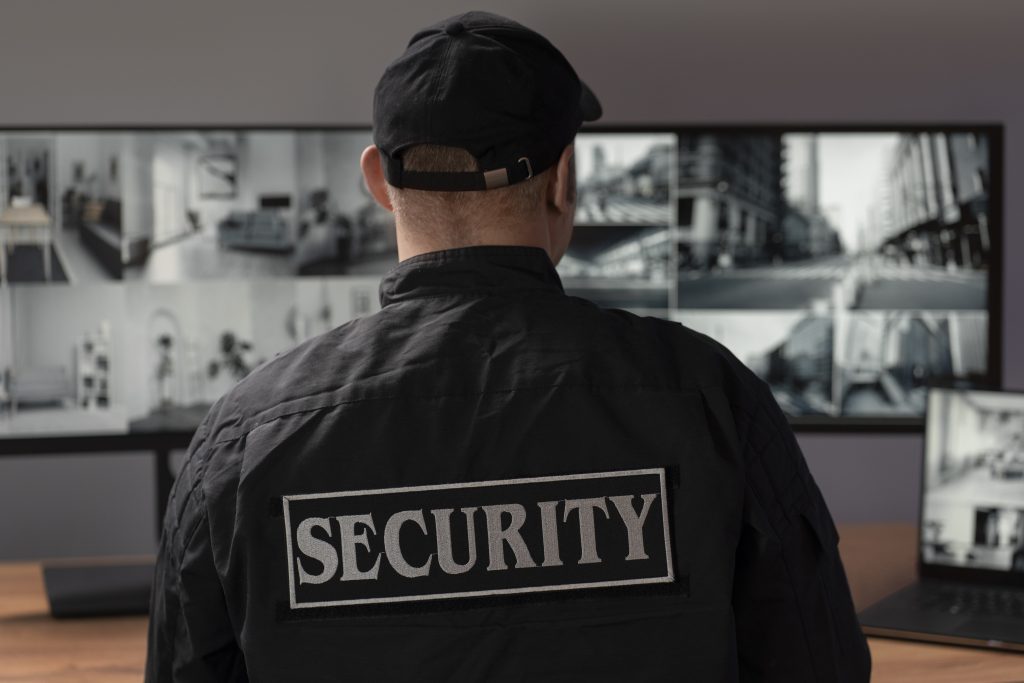
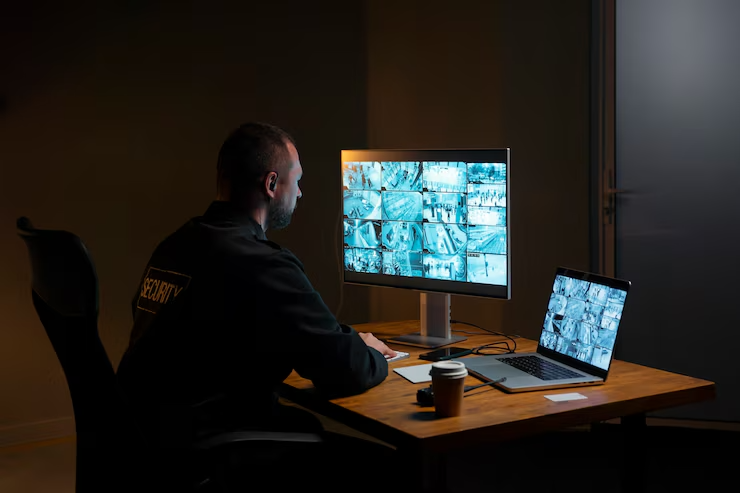
Imagine arriving at your office building at dawn. The parking lot lighting hums on precisely when it should, the security kiosk’s display shows an up-to-the-minute occupant log, and a courteous security guard greets you by name. Behind the calm surface, a network of systems – including CCTV with analytics, access control synced to personnel schedules, remote monitoring, and a rapid incident-response chain – quietly works to make your morning predictable and safe. That blend of human presence and intelligent systems is what “modern security” is today. It’s not simply a uniformed guard and a gate. Modern security solutions are about anticipating risk, integrating technology with trained people, and designing services that match the complexity of contemporary businesses. For more than three decades, Ekta Group has been doing precisely that – evolving from traditional protection to becoming an architect of secure environments for businesses across Mumbai, Thane, and beyond. This blog chronicles Ekta Group’s journey since 1992, explains what modern security looks like today, and demonstrates why Ekta is regarded as one of the premier modern security companies for corporate clients who demand professionalism, reliability, and forward-thinking protection. Along the way we’ll explore local operations in Thane and Mumbai, Ekta’s approach to training security personnel, and the practical ways modern security services help businesses sleep better at night. Modern Security Solutions – What “Modern” Really Means When people discuss modern security solutions,they typically refer to a shift in three fundamental areas: technology integration, process sophistication, and human capability. Each by itself matters — but the real value comes from how they are combined. 1. Technology as an Enabler, Not a Crutch Modern security technology goes far beyond cameras and alarms. Today’s toolkit includes: Video analytics and AI-powered CCTV: Cameras that can alert based on objects, loitering, or crowd formation reduce false alarms and highlight actual incidents. Analytics assist guards rather than replace them. Access control & identity management: Biometric readers, smart cards, and mobile-based access provide granular control over who enters sensitive zones and when. Integrated command-and-control platforms: A unified dashboard ties cameras, access logs, visitor management, and incident reports into one pane, enabling faster decision-making. Remote monitoring & cloud services: Off-site monitoring centres provide 24/7 oversight and can pull up historical footage or real-time feeds centrally. IoT sensors: Fire, smoke, water leakage, and environmental sensors feed into the security ecosystem to detect non-human threats quickly. Cyber-physical convergence: As physical systems become networked, cybersecurity measures protect them from tampering and ensure the integrity of the system. The modern approach recognises technology as an enabler: it amplifies human capability by providing better situational awareness and automating low-value tasks, allowing trained personnel to focus on judgment and response. Process-Driven Risk Management Security today is proactive. Organisations adopt risk management frameworks to identify vulnerabilities and implement layered defences: Threat assessment & site surveys: Structured assessments highlight vulnerabilities across physical layout, access flows, and operational practices. Standard operating procedures (SOPs): Clear, practised SOPs ensure consistent responses under pressure, from medical emergencies to security breaches. Business continuity planning: Security is linked to operational resilience — plans ensure critical functions continue under adverse events. Incident reporting & analytics: Lessons from incidents lead to process updates. Metrics and KPIs measure guard performance, response times, and system uptime. Process discipline turns ad-hoc reactions into predictable, auditable responses — which is essential for corporate modern security services. 3. Human-Centred Protection Even the most advanced cameras and secure access systems cannot replace trained, empathetic personnel. Modern security marries technical systems with professionals who understand customer service, de-escalation techniques, first aid, and environment-specific needs. Modern security guards are: Technologically literate: able to use mobile apps, interpret analytics, and operate access control systems. Customer-facing professionals: representing the brand with courtesy while enforcing rules firmly and fairly. Situationally aware: trained to read environments and foresee risks before they escalate. 4. Compliance, Privacy & Ethics Modern security operates in a stricter regulatory and social context. Data privacy, workplace safety laws, and labour regulations shape how surveillance, access logs, and personnel records are managed. Ethical deployment — including transparent signage for CCTV, lawful data retention, and privacy-respecting analytics — is essential for building trust. How Ekta Group Has Redefined Modern Security Since 1992 Ekta Group’s story is a story of adaptation. Beginning in 1992, it first provided basics: patrols, access control, and presence. But the company’s defining characteristic has been a willingness to evolve — continuously upgrading skill sets, investing in technology, and aligning services with changing client expectations. Here’s how Ekta has shaped modern security over the decades. A. From Presence to Partnership In the 1990s, security companies often focused on “presence” – visible guards as deterrence. Ekta recognised early that the real value to businesses would come from being a partner in risk management, not merely a vendor delivering manpower. This meant: Learning clients’ business processes and tailoring services accordingly. Moving from fixed duties to outcome-based contracts (e.g., reducing incidents, improving access control auditability). Investing in training programs to elevate guard competencies beyond deterrence. This shift converted security from a cost centre into a strategic asset for clients. B. Early Adoption of Technology Ekta’s leadership realised that technology would be a force multiplier. The company introduced integrated CCTV networks and centralised control rooms in phases, eventually blending on-site teams with remote monitoring. Not content to implement off-the-shelf tools, Ekta invested in training staff to interpret analytics and use data to reduce response times. C. Local Roots, Regional Reach Starting with local operations in Thane and Mumbai, Ekta developed a deep understanding of local regulatory frameworks, client expectations, and community norms. That local expertise became a foundation for scaling services across commercial hubs while maintaining the personal touch that larger firms often lose. D. Modular Service Design Instead of one-size-fits-all packages, Ekta developed modular services that companies could assemble: visitor management, executive protection, event security, CCTV monitoring, cyber-physical audits, and workplace safety integration. This modularity made Ekta’s solutions adaptable for small offices, corporate campuses, and industrial facilities. E. Investing in People Recognising that the best tech is only as effective as the people using it, Ekta created structured training academies. These don’t just teach gate procedures;