Author name: Ekta Group

Security dog squads
security

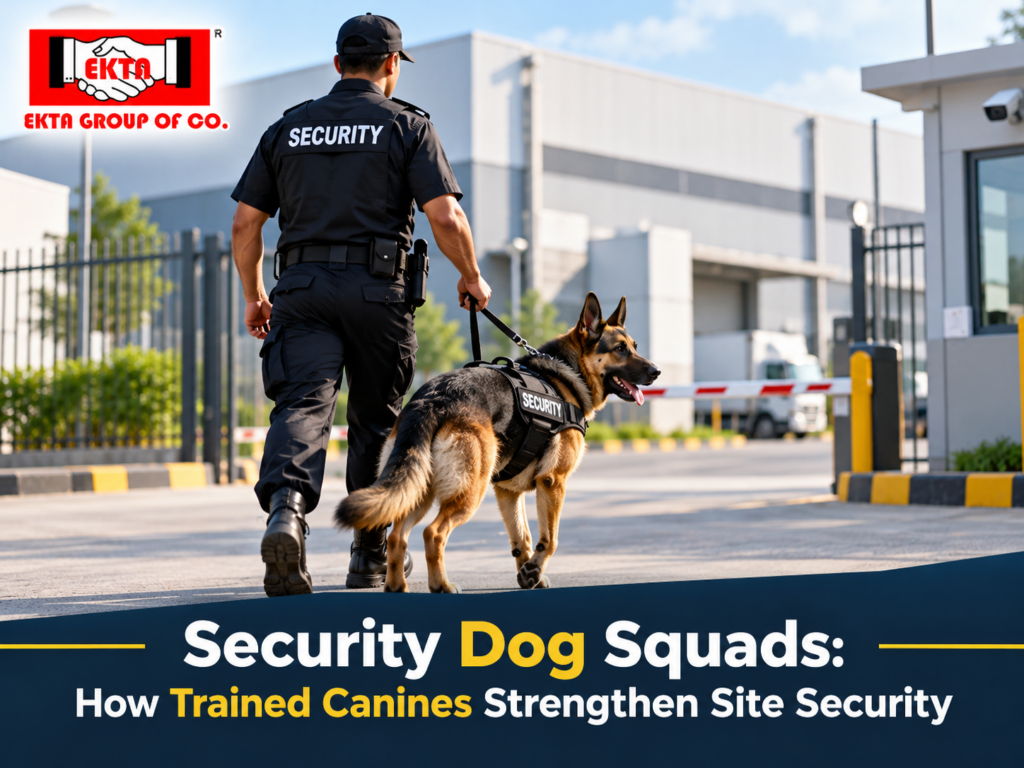
Security Dog Squads: How Trained Canines Strengthen Site Security

A guard can be the sharpest person on shift and still miss a faint sound at 3 a.m. on the far side of a two-acre compound. A dog won’t. That gap between what a person can notice and what a large site needs covered is where security dog services earn their place. At Ekta Group, we have run dog units alongside our manned guarding in Mumbai and Thane since our early years in the field. The pattern we see is consistent. Sites that add a trained dog and handler to their security setup tend to stop having the problems that technology and headcount alone never quite solved. What a Security Dog Squad Actually Is The phrase gets used loosely, so it’s worth being precise. Security dog squads are not guards who happen to have a dog on a leash. A squad unit is a trained dog paired with an experienced handler and deployed as one coordinated asset. That pairing is the whole point. The handler reads the dog’s behaviour, and the dog responds to the handler’s commands. Neither is much use without the other. A dog on a stranger’s lead is just an animal. A well-matched unit is a security tool that works in the dark, in crowds, and on large perimeters. How Security Dogs Improve Site Security Here’s where things get interesting. A dog’s value isn’t one big advantage. It’s several smaller ones that compound. They sense what people and cameras can’t A dog picks up scent, sound, and movement long before a person registers anything unusual. Trained patrol dogs are conditioned to detect human presence, unusual movement, and environmental disturbances. Many of those never show up on camera, especially when the angle is wrong, or the light is bad. They deter before anything happens Most people don’t realise the best security outcome is an incident that never occurs. Anyone casing a site looks for the weakest point. A visible dog-and-handler team makes the site look like more trouble than it’s worth, and the intruder moves on. That quiet deterrence is rarely recorded anywhere, but it’s often the biggest contribution a dog makes. They stay sharp when people get tired Human alertness dips during the small hours. That’s physiology, not a character flaw. Night shifts and low-visibility conditions are where a dog’s senses carry the most weight, which is why clients most often ask about dog units for night patrol. They shorten the time it takes to clear an area Searching a large warehouse floor, a vehicle bay, or a crowded entry point by hand takes time and manpower. A detection dog covers the same ground far faster and more systematically than a manual search. Where Security Dog Squads Make the Biggest Difference Not every site needs a dog. Some sites benefit enormously. Large industrial sites and warehouses. When the perimeter is large enough that guards can’t physically watch every stretch, a patrol dog extends coverage without requiring a proportional increase in manpower. This matters for warehouses with high-value inventory, where after-hours intrusion is the real threat. Cash and valuables in transit. This is one of the more demanding uses. Our approach layers three elements: the regular security guard, an Armed Guard, and a dog squad unit. Each covers what the others can’t. The dog adds a visible, credible deterrent that makes anyone thinking about intercepting a vehicle reconsider. Events and high-footfall venues. Dogs trained for crowd environments help manage access points and discourage unauthorised entry without turning the atmosphere hostile. The skill lies in staying controlled around legitimate attendees, and that comes from training, not temperament alone. Sensitive premises needing detection. For facilities where explosives, narcotics or unauthorised materials are a concern, detection dogs are trained to identify specific threats. The exact scope depends on the deployment, which is why we assess it at the site survey stage rather than promising everything everywhere. The Handler Matters as Much as the Dog If you take one thing from this blog, make it this: a good dog with a poor handler is a liability. The handler decides when to hold a dog back, when to let it work, and how to read a false alarm from a real one. That judgment comes from months of working together. It’s why every Ekta handler goes through a structured pairing and conditioning process with their assigned animal before ever setting foot on a client site. Casually swapping handlers undermines the unit, which is why consistency in that pairing is non-negotiable for us. What to Look For in Guard Dog Security Services If you’re comparing guard dog security services, the questions worth asking go well beyond the monthly price. Who owns the dog? Some providers sub-contract animals from third parties, which makes accountability fuzzy. We supply, train and maintain our dogs in-house, so one engagement means one point of responsibility. Who looks after the animal? Dogs need conditioning, health care and rest. If the provider can’t explain how they maintain operational readiness, that’s a red flag. How was the dog matched to the role? Detection, patrol and transit work call for different temperaments. A dog chosen for the job performs very differently from one assigned by availability. Is it properly integrated with the guard force? A dog unit working in isolation from the rest of the site’s security leaves gaps. It should sit inside the same supervision and reporting structure as everything else. Is the proposal specific? You should see the deployment structure, handler details and costs written out before anything begins. Dogs Strengthen a Security Setup. They Don’t Replace One. A dog doesn’t replace trained guards, CCTV or access control. It fills the gaps those leave behind. Think of a site’s security as layers. Guards handle verification, procedure and response. Cameras and digital tracking give you records and oversight. A dog squad adds sensing and deterrence that neither of the other two can provide. Take out any layer, and the others carry more load than they should. At Ekta, that’s how we
Cargo Theft in Transit
Transport, Uncategorized

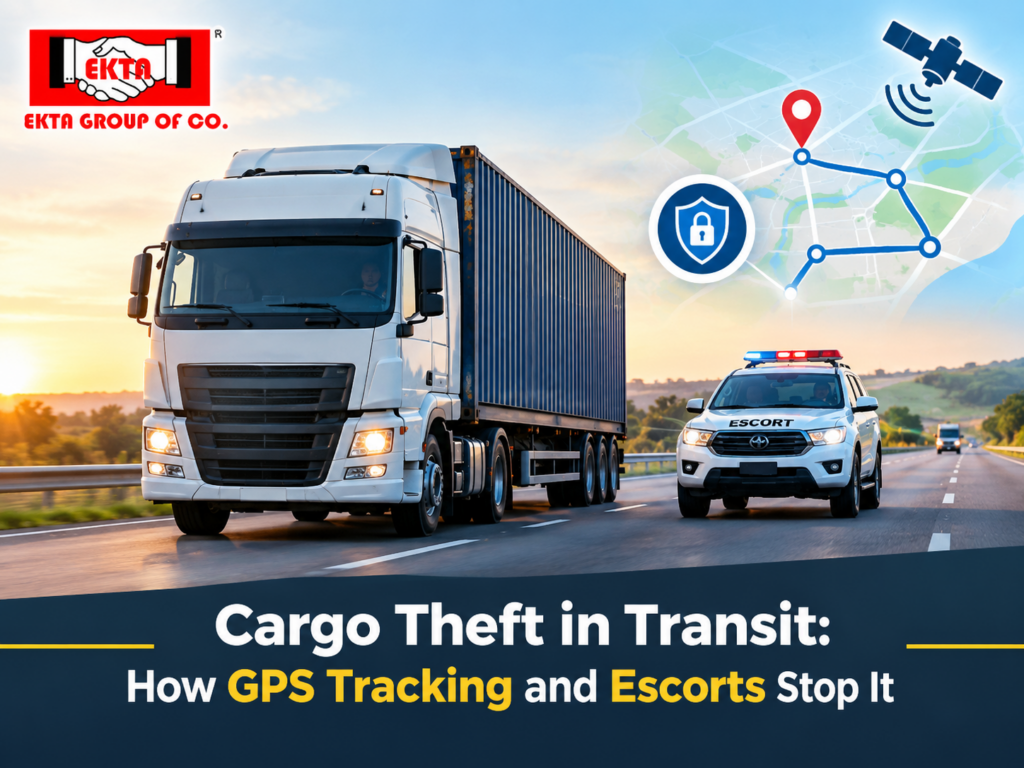
Cargo Theft in Transit: How GPS Tracking and Escorts Stop It

The truck left the plant on schedule. Eleven hours later, it should have been at the warehouse. Instead, the driver’s phone was switched off, the dot on the tracking screen sat beside a roadside stop for three hours, and nobody checked the screen. That quiet gap between “something is wrong” and “someone noticed” is where most losses happen. Cargo theft in transit rarely looks like a film hijacking. It usually looks like an ordinary delay that nobody questions until it’s too late. Effective cargo theft prevention is less about one clever gadget and more about ensuring everyone sees and acts quickly on every unusual moment on the road. Where Cargo Goes Missing Before choosing tools, it helps to know what you’re defending against. In our experience, losses cluster around a few predictable moments. Unscheduled stops Fuel stops, tea breaks, and “mechanical trouble” are normal parts of a long haul. They’re also the moments when a vehicle is stationary, isolated, and easy to approach. An unplanned stop, or one that runs far longer than it should, deserves attention. Route deviation A truck that quietly leaves its approved route is a red flag, whether it’s a harmless shortcut or something far worse. Without a way to see the deviation as it happens, you only find out when the goods don’t arrive. Inside knowledge Most people don’t realise how often theft depends on someone knowing the load, the route, and the timing. That doesn’t always mean the driver’s dishonest. Information leaks through many hands before a shipment even leaves the gate. Good freight theft prevention assumes this and builds controls that don’t rely on trust alone. Night and low-visibility stretches Fatigue, poor lighting, and empty roads work in a thief’s favour. These are the hours when a vehicle needs someone watching it most. What a Cargo GPS Tracker Does (and Doesn’t) A cargo GPS tracker is the foundation of any serious transit security setup, and for good reason. It gives you a live location, a trail you can review afterwards, and the ability to set rules around where a vehicle should and shouldn’t be. Used properly, it lets you: See deviations in real time, rather than reading about them in a report the next morning Set geofences around approved routes, depots and delivery points, so a departure triggers an alert Flag long or unplanned halts before they turn into losses Build an accountability trail, which discourages the casual opportunism that a “no one is watching” feeling invites Here’s where things get interesting, though. A tracker is only as useful as the person watching it. An alert that lands in an unattended inbox is just data. And someone who knows what they’re doing can tamper with, block, or remove tracking devices. Treating a cargo GPS tracker as a complete answer leaves companies with expensive hardware and the same losses as before. So the real question isn’t “do we have tracking?” It’s “who sees the alert, how fast do they act, and what happens next?” Why Escorts Close the Gap Tracking tells you something is wrong. An escort can do something about it. A trained escort vehicle travelling with or near the cargo changes the situation in three ways. First, it deters. A moving vehicle with visible security is a much harder target than a lone truck, and most opportunists simply move on. Second, it responds. If a vehicle is stopped or approached, someone is already there, rather than minutes or hours away. Third, it verifies. An escort can confirm in person whether a halt is routine or a problem, reducing false alarms and wasted panic. For high-value or sensitive consignments, armed escorts add a further layer of deterrence. The right level depends on the cargo’s value, the route’s risk, and the nature of the movement, which is why a one-size-fits-all escort plan rarely works. The Layered Approach: Why One Measure Never Is Enough Think of cargo theft in transit as a problem with several weak points. Close one, and pressure shifts to the next. That’s why we plan transit security in layers. For cash and valuables movements, for instance, we combine three elements: the regular security guard, a gunman, and a dog squad unit. Each covers something the others can’t. The guard handles procedure and verification. The gunman provides armed protection. The dog and handler add a visible, credible deterrent that makes anyone planning to intercept a vehicle think twice. The same logic applies to ordinary freight. GPS tracking gives you visibility. An escort gives you a physical response. Verified, trained personnel reduce risk from within. A monitoring team gives the alerts somewhere to land. Remove any one, and the others carry more weight than they should. Building a Freight Theft Prevention Plan That Works If you’re reviewing how your own consignments move, here’s a practical starting point. Classify your loads. Not every shipment carries the same risk. Rank them by value, resale appeal and how identifiable they are, and match protection to risk. Map the route, not just the destination. Know where the isolated stretches and common halting points are, and plan stops deliberately rather than leaving them to chance. Decide who watches the screen. Assign monitoring to a person or team with the authority to act, including after hours. Write down the escalation steps. If a truck goes off route or stops too long, what happens in the first five minutes? If nobody knows, the alert is wasted. Limit who knows what. Share load details and timings only with those who need them. Verify the people. Police-verified drivers and escort staff, with clear accountability, remove much avoidable risk. Review after every incident and after every near miss. The near misses are free lessons. How We Approach It at Ekta Group Ekta Group has been delivering security and transport services across Mumbai and Thane since 1992. Our transport division runs a GPS-tracked fleet for corporate and industrial cargo movement, and our security division provides armed escort services and cash-in-transit protection. That means

Warehouse Security Services
security

Warehouse Security Best Practices: Preventing Theft and Inventory Loss

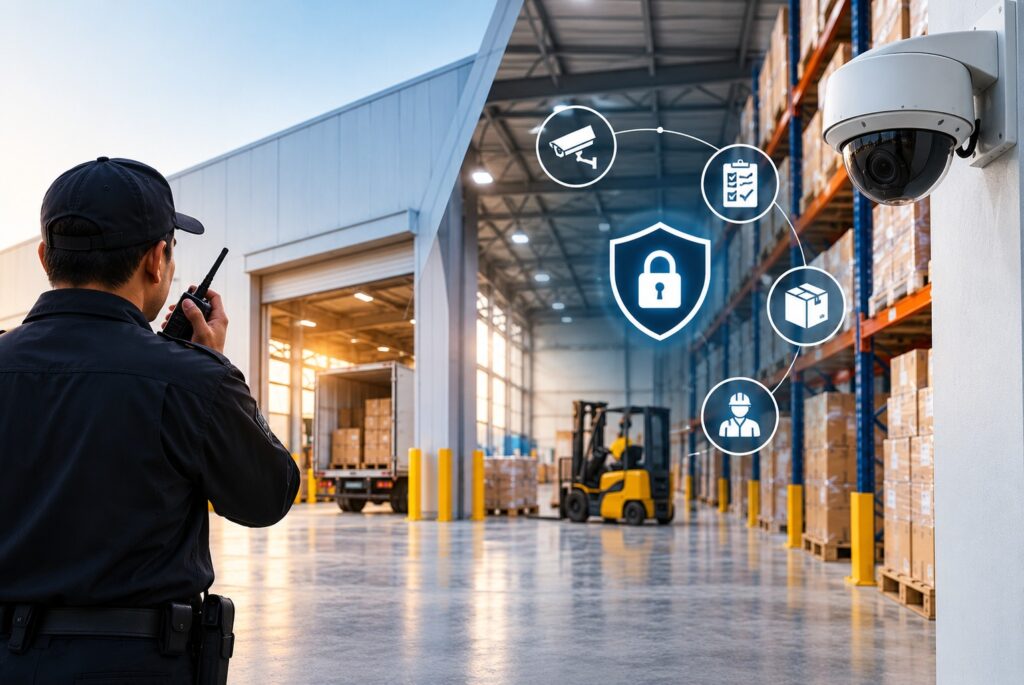
A warehouse manager in Bhiwandi once told us the hardest thefts to catch aren’t the ones where someone breaks in. They are the ones where nothing looks broken at all. Stock counts fall short by a few units every month. Nobody can point to a single incident. By the time the pattern becomes obvious, the losses have already added up to lakhs. This is the quiet reality of warehouse theft in Mumbai and Thane’s logistics belt. It rarely announces itself. It shows up gradually, in shrinkage reports, in audit discrepancies, in the gap between what left the supplier and what actually reached the shelf. That’s why warehouse security services have become less of an add-on and more of an operational necessity for anyone running storage or fulfilment facilities at scale. We have spent over three decades securing industrial and logistics sites across the region, and if there is one thing we have learned, it is this: warehouse theft prevention is not about a single guard at the gate. It is a system, and every weak link in that system is an opportunity. Why Warehouses Are Different From Other Sites A retail store has a handful of exits and constant human traffic. A corporate office has receptionists, badge systems, and a predictable flow of people. A warehouse has none of these natural checkpoints. It has large open floors, multiple loading bays, high stacking that blocks sightlines, shift changes, and a revolving door of vendors, transporters, and temporary labour moving in and out through the day. What most people don’t realise is that this structural openness can make warehouses vulnerable to both external theft and internal pilferage. Inventory can go missing through unauthorised access, handling gaps, or weak controls involving employees, contract staff, vendors, or transport crews. This is why warehouse security needs to focus not just on the perimeter, but also on how people, vehicles, and inventory move through the facility.  That single fact should shape how any facility approaches security. A padlock and a night watchman address the wrong risk. The Real Cost of Inventory Loss Inventory shrinkage rarely shows up as one dramatic loss. It erodes margins slowly. A missing carton here, a mismatched delivery count there, a pallet that “fell off” during transit. Over a financial year, these small leaks can outweigh the cost of a serious security breach. Here’s where things get interesting: many warehouse operators underinvest in security precisely because the losses feel too small to justify the spend, one incident at a time. But inventory loss prevention was never meant to be judged incident by incident. You have to judge it against the cumulative annual drain, and against that number, professional warehouse security services are rarely the expensive option. Usually, they are the cheaper one. Warehouse Theft Prevention: What Actually Works 1. Access Control at Every Entry Point, Not Just the Main Gate Loading bays, staff entrances, and vendor gates are frequently treated as secondary access points and supervised less closely than the front gate. In practice, most unauthorised movement happens here. Every entry and exit, including bays used only during odd hours, needs the same level of scrutiny as the main gate. 2. Verified, Trained Manpower A guard who hasn’t undergone proper screening is a liability in uniform. Before deploying anyone to a site, personnel should be police-verified, medically fit, and trained specifically for warehouse environments, not generic patrol duty. Warehouse work involves managing high-value stock movement, coordinating with transport crews, and recognising suspicious patterns in cargo handling, which is a different skill set from guarding a residential gate. 3. CCTV Coverage That Accounts for Blind Spots High racking and stacked pallets create sightline gaps that ordinary camera placement misses. A proper warehouse security assessment maps blind spots specific to the layout, not a generic camera grid, and covers loading docks, staging areas, and internal aisles where goods are most vulnerable during transfer. 4. Reconciled Documentation at Every Handoff A significant share of inventory loss happens during the handoff itself, between receiving and storage, or between storage and dispatch. Requiring verified documentation and a second set of eyes at every transfer point closes a gap that many facilities leave wide open. 5. Unannounced Audits and Night Checks Scheduled inspections tell you how a site behaves when it knows it is being watched. Surprise night audits tell you how it behaves the rest of the time, which is the information that actually matters. Irregular, unscheduled checks are one of the most effective deterrents against both external and internal theft, precisely because staff cannot predict when they will happen. 6. Centralised Monitoring, Not Isolated Guarding A guard standing alone at a gate is only as reliable as their individual vigilance that day. A site connected to a central control room, with real-time attendance tracking, patrol verification, and incident reporting, adds a layer of accountability that no individual guard can provide alone. If something goes wrong at 3 a.m., more than just the person on shift should see it. Why Businesses Choose to Hire Warehouse Security Guards Rather Than Manage It In-House Some warehouse operators try to handle security internally, using existing staff or ad hoc arrangements. In our experience, this rarely holds up once volumes grow. In-house arrangements lack the training standardisation, the verification process, and the supervisory structure that dedicated warehouse security services are built around from day one. When you hire warehouse security guards through a professional agency, you are not just adding manpower. You are adding a system: PSARA-compliant deployment, structured training, documented site inductions, and a control room that holds every shift accountable, regardless of who is on duty that day. Building a Warehouse Security Plan That Actually Holds Up No single fix prevents inventory loss. It comes down to layered defences working together: verified people, monitored access points, documented handoffs, and oversight that does not rely on trust alone. A facility that gets these fundamentals right does not just reduce theft. It builds operational discipline that shows up in cleaner

PSARA License
security

PSARA License Explained: What It Means When You Hire a Security Agency

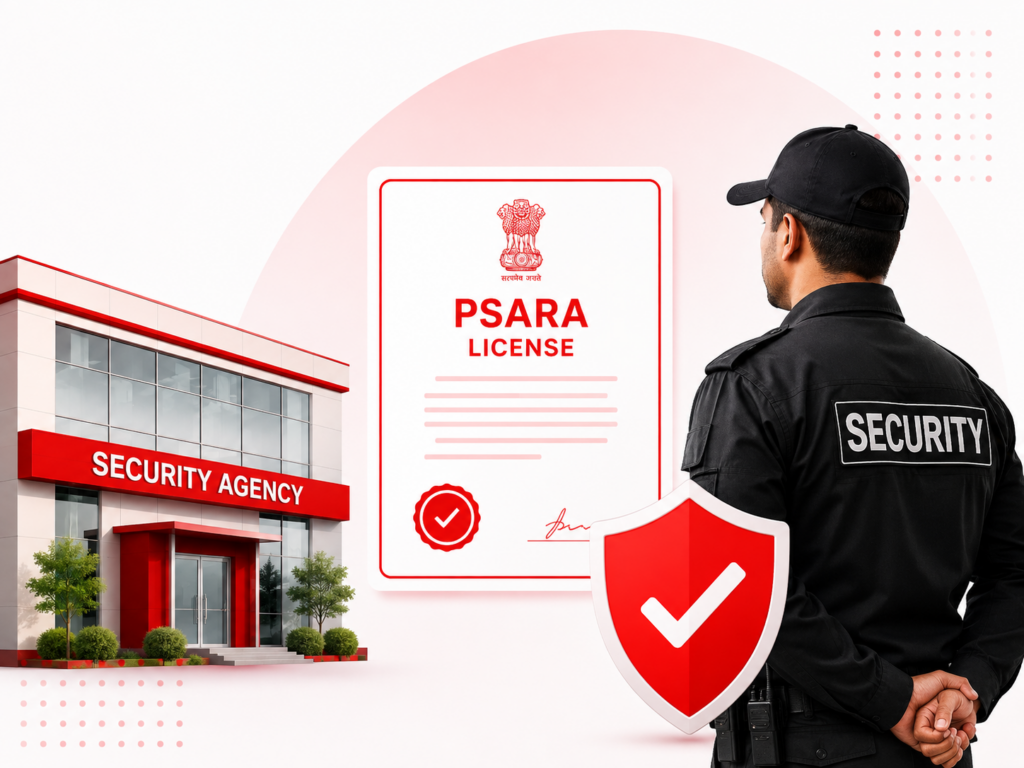
Ask most business owners what separates a good security agency from a risky one, and you will get answers about guard quality, response time, or pricing. Almost nobody mentions the one thing that actually determines whether that agency is even legally allowed to operate: the license. This gap in awareness costs people more than they realise. Every year, facilities across Mumbai and Thane sign contracts with security providers who are operating without proper authorisation, and the client only finds out when something goes wrong: an incident, a liability dispute, a guard with no verified background. By then, the contract is signed, and the exposure is already theirs. So what isa  PSARA license, and why should it be the first thing you check, not the last? Let’s break it down properly. What is a PSARA License, Actually? PSARA stands for the Private Security Agencies (Regulation) Act, a central legislation enacted in 2005 to bring structure and accountability to India’s private security industry. Before PSARA, the sector operated with minimal oversight, which meant wildly inconsistent standards, unverified personnel, and no real recourse for clients when things went wrong. A PSARA-licensed security agency is one that has been formally vetted and authorised by the state government to provide private security services. This is not a paperwork formality. Getting licensed under this act requires the agency to meet specific criteria around ownership, financial standing, training infrastructure, and, most importantly, a documented process for verifying every guard it deploys. In our experience, this last point is where the real value lies. An agency operating without the required PSARA licence is not authorised to provide private security services. That makes proper verification even more important: you need to know that the people given access to your office, warehouse, residential society, or hospital have undergone the required verification process and that the agency is accountable for who it deploys. Why the License Matters More Than Most People Assume 1. It Confirms Police Verification of Every Guard This is the single most important protection a PSARA licence security agency offers. Under the Act, agencies are required to conduct police verification for every guard before deployment. This is not optional, and it is not a formality carried out after the fact. It has to happen before a guard is placed on your premises. 2. It Sets a Minimum Training Standard Licensed agencies are required to put personnel through structured training covering physical security, emergency response, conduct, and site-specific protocols. What most people don’t realise is that this training requirement is actually enforced through the licensing process, not left to each agency’s discretion. An unlicensed provider has no such obligation, which is exactly why quality varies so wildly across the informal security market. 3. It Creates Legal Accountability If something goes wrong on your premises-, theft, negligence, a security lapse, an incident involving a guard- your recourse depends heavily on whether the provider was operating legally in the first place. A licensed agency operates within a regulatory framework that includes documented contracts, defined liability, and a legal structure you can actually hold accountable. An unlicensed provider gives you none of that. You are essentially left arguing with an entity that was never authorised to be there. 4. It Signals Financial and Operational Legitimacy Obtaining a PSARA licence requires an agency to demonstrate financial solvency and operational capability. This matters more than it sounds. An agency that cannot meet these baseline requirements is unlikely to have the infrastructure, the control room, the supervisory staff, or the resources to actually support a large-scale or long-term security deployment. How to Actually Verify a PSARA Licence Security Agency Here’s where things get interesting: most clients simply take an agency’s word for it. They see the words “PSARA-compliant” on a website or proposal and move on. That is not verification; that is trust without confirmation. Before signing any contract, ask for: The PSARA license certificate, along with its validity period and issuing state authority Proof of police verification for the guards being assigned to your specific site, not a generic company-wide claim Documentation of training records for the personnel who will actually be deployed A written, itemised contract that references the licence and outlines liability clearly A legitimate agency will produce this without hesitation. Reluctance or vague answers here is a signal worth taking seriously, because it usually indicates the paperwork does not exist. Licensed Does Not Automatically Mean Excellent, But Unlicensed Almost Always Means Risk It is worth being direct about one thing: holding a PSARA licence is the baseline, not the finish line. A licensed agency can still vary in supervision quality, technology use, and responsiveness. But an unlicensed agency starts from a position where the fundamentals- verification, training, accountability-, are not guaranteed at all. You are not choosing between two similar options at that point. You are choosing between structured risk management and an unregulated gamble. What This Means When You’re Evaluating a Provider If you are currently comparing security providers for a residential society, corporate office, industrial site, or warehouse, the license should be step one in your evaluation, not an afterthought you check once the commercial terms are agreed. It tells you whether the guards on your premises have actually been through police verification, whether the agency operates within a legal framework that protects you, and whether there is real accountability behind the uniform. At Ekta Group, every division of our security operations has been built around full PSARA compliance since we began operating in Mumbai and Thane. Every guard deployed to a site goes through police verification, medical fitness checks, and structured training before their first shift, backed by a documented, transparent process from client inquiry through to deployment. If you are evaluating providers and want a clear, honest walkthrough of what proper licensing and verification should look like for your site, our team is happy to talk you through it.  

Compliance, Facility, security, Transport

Fire Safety and Emergency Preparedness for Offices & Malls

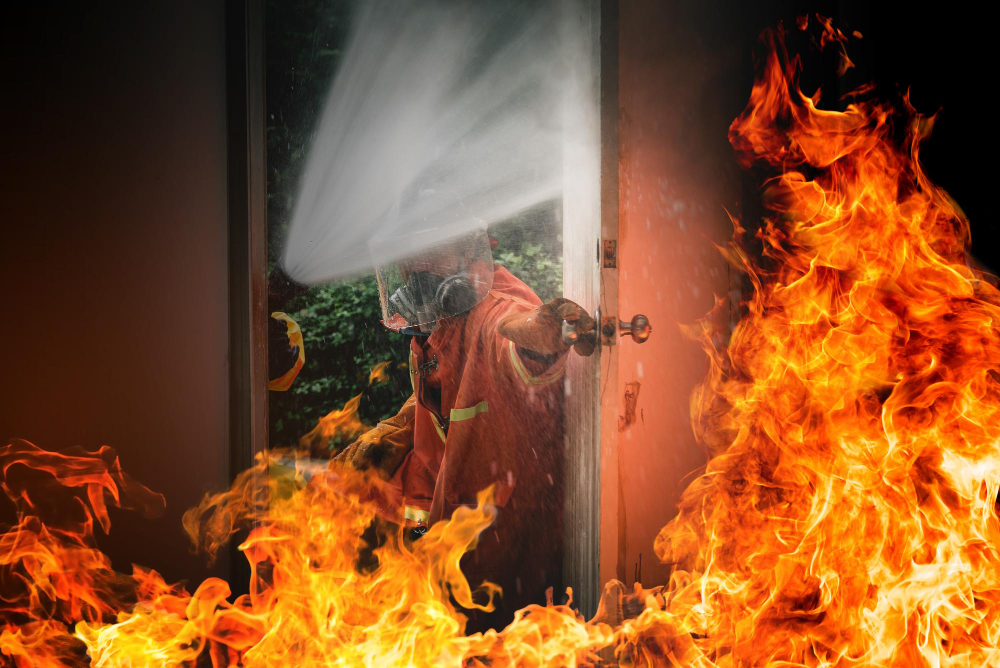
Fire emergencies don’t start with chaos. They start with one small oversight—an overloaded socket, a blocked exit, an untrained employee, or a system that wasn’t checked “because nothing ever happens.” In offices and malls, where hundreds or thousands of people gather daily, fire safety and emergency preparedness is not a checklist item—it’s a responsibility. When systems fail, the consequences are immediate, visible, and irreversible. Across India’s commercial hubs like Mumbai, Thane, and Navi Mumbai, incidents repeatedly show one truth: fires don’t kill people—lack of preparedness does. This is why professional, on-ground fire safety planning backed by experienced service providers like Ekta Group of Company has become essential for modern offices and shopping malls. Why Fire Safety and Emergency Preparedness Is Critical for Offices & Malls Commercial spaces face unique fire risks compared to residential buildings. Offices and malls typically have: High electrical load Centralised air conditioning systems Combustible interior materials Food courts and pantry areas Heavy footfall and public access Multiple tenants and layouts In such environments, even a 30-second delay in response can turn a manageable incident into a full-scale disaster. Fire safety and emergency preparedness are not just about compliance—it is about saving lives, protecting assets, and ensuring business continuity. Understanding Common Fire Risks in Offices and Malls Before prevention comes awareness. 1. Electrical Hazards Overloaded plug points Poor wiring Unauthorized extensions Unmaintained electrical panels 2. HVAC and Server Room Risks Overheating systems Dust accumulation Inadequate ventilation 3. Pantry & Food Court Fires Gas leaks Grease buildup Untrained kitchen staff 4. Storage and Back-of-House Areas Flammable materials Blocked exits Poor housekeeping Professionals from Ekta Group of Company are trained to identify these risks during routine security and facility inspections—before they escalate. Fire Safety vs Emergency Preparedness: Understanding the Difference Many businesses confuse these two concepts. Both are essential, but they serve different purposes. Fire Safety focuses on: Prevention Detection Firefighting equipment Infrastructure readiness Emergency Preparedness focuses on: Human response Evacuation procedures Communication systems Training and drills True protection comes when fire safety systems and emergency preparedness plans work together seamlessly—a core principle followed by Ekta Group of Company in commercial environments. Essential Fire Safety Systems for Offices & Malls 1. Fire Detection and Alarm Systems A working fire alarm is the first line of defense. Must-have elements: Smoke detectors Heat detectors Manual call points Audible and visual alarms Systems must be: Regularly tested Clearly audible across floors Connected to emergency response teams 2. Firefighting Equipment Fire extinguishers alone are not enough if people don’t know how to use them. Essential equipment includes: ABC fire extinguishers CO₂ extinguishers for electrical fires Hose reels Sprinkler systems Security teams from Ekta Group of Company are trained in basic firefighting response until fire services arrive. 3. Emergency Lighting and Exit Signage During fires, power failure is common. Ensure: Emergency lights in corridors and staircases Illuminated exit signs Clearly marked evacuation routes Blocked or poorly marked exits are a major cause of casualties in malls and office buildings. Emergency Preparedness: The Human Side of Fire Safety Even the best systems fail if people panic or don’t know what to do. 1. Clear Evacuation Plans Every office and mall must have: Floor-wise evacuation maps Designated assembly points Separate plans for visitors, staff, and vendors Ekta Group of Company helps implement evacuation protocols that are practical, not theoretical. 2. Trained Emergency Response Teams Fire marshals and safety officers play a crucial role. They should: Guide evacuation Prevent stampede Assist differently-abled individuals Coordinate with fire brigade Professional security staff from Ekta Group of Company often act as first responders during emergencies. 3. Regular Fire Drills (Not Just on Paper) Fire drills should: Be conducted at least twice a year Involve all employees and tenants Be documented and reviewed Drills expose real-world gaps—locked exits, confusion, slow response—that can be corrected only through practice. Fire Safety Compliance: Legal Responsibility of Offices & Malls In India, commercial establishments must comply with: Local fire department norms National Building Code (NBC) Municipal regulations Non-compliance can result in: Fines Closure notices Insurance rejection Legal liability By partnering with experienced service providers like Ekta Group of Company, businesses stay aligned with compliance requirements while focusing on core operations. Role of Security Personnel in Fire Safety and Emergency Preparedness Security teams are often the first line of response. Their responsibilities include: Detecting early warning signs Triggering alarms Guiding evacuation Securing entry and exit points Coordinating with emergency services Ekta Group of Company trains its personnel specifically for commercial fire safety protocols, making them assets—not just guards. Fire Safety Challenges Unique to Shopping Malls Malls present additional complexities: High visitor turnover Children and elderly visitors Multiple food outlets Temporary kiosks Peak-hour crowd density Emergency preparedness in malls must account for crowd psychology, not just systems. Professional planning and trained manpower from Ekta Group of Company significantly reduces chaos during emergencies. Fire Safety Challenges Unique to Office Buildings Offices face different issues: Server rooms and IT infrastructure Long working hours Night shifts Closed cabins and partitions Emergency preparedness plans must be tailored floor-wise and department-wise, something Ekta Group of Company actively supports. Common Fire Safety Mistakes Offices & Malls Make Despite good intentions, many establishments fail due to: Ignoring minor electrical issues Blocking fire exits for storage Skipping drills Hiring untrained security staff Treating compliance as a one-time task Fire safety and emergency preparedness must be continuous, not seasonal. How Ekta Group of Company Supports Fire Safety & Emergency Preparedness Ekta Group of Company brings a practical, on-ground approach to commercial safety by offering: Trained and verified security personnel On-site monitoring and vigilance Emergency response coordination Compliance-oriented operations Customized safety support for offices and malls Their experience across multiple commercial environments makes them a reliable partner for proactive safety planning. Building a Fire-Ready Culture, Not Just a Fire-Safe Building Technology can detect fire—but people prevent disasters. Encourage: Reporting of hazards Safety awareness sessions Accountability at all levels Continuous improvement When management, staff, and security teams work together, fire safety and emergency preparedness become part of daily operations—not a forgotten file. Final Thoughts: Preparedness Saves Lives, Not Panic Fire emergencies don’t give second chances. For offices and malls, investing in fire safety

security

Safety Tips for Small Businesses in Mumbai

Running a small business in Mumbai is not for the faint-hearted. Between rising rents, long working hours, staff management, and intense competition, safety often becomes an afterthought—until something goes wrong. A break-in, theft, workplace injury, or security lapse can set a small business back months, sometimes permanently. Mumbai’s fast-paced environment, dense population, mixed commercial zones, and 24/7 activity make safety both critical and complex. Whether you operate a retail shop, office, warehouse, clinic, restaurant, or service-based business, having a solid safety framework is no longer optional—it’s essential. This guide shares practical safety tips for small businesses, tailored specifically for Mumbai’s realities, and backed by on-ground experience from Ekta Group of Company, a trusted name in professional security and facility support services. Why Safety Is a Real Business Issue for Small Businesses in Mumbai Small businesses often believe they’re “too small” to be targeted. In reality, they are often more vulnerable than large corporations. Common risks faced by small businesses in Mumbai include: Petty theft and burglary Unauthorised access after business hours Employee safety during late shifts Fire hazards due to poor wiring or storage Cash handling risks Vandalism and local disturbances Lack of emergency preparedness According to on-the-ground security data, small commercial units without professional security measures experience higher incident rates, especially in high-footfall or mixed-use areas. This is where structured safety planning—and expert support from Ekta Group of Company—makes a measurable difference. 1. Start with a Proper Risk Assessment Before investing in equipment or guards, understand your vulnerabilities. Ask yourself: What assets need protection? (cash, inventory, data, people) What are the operating hours? Is the location prone to crowding, theft, or disturbances? Are employees working late or alone? Are there blind spots or unsecured entry points? A professional risk assessment identifies weak areas you may overlook. The Ekta Group of Company regularly conducts site-specific assessments that help small businesses prioritise safety investments instead of overspending blindly. 2. Secure Entry and Exit Points Most security breaches happen through poorly managed access points. Practical safety tips: Install strong locks on all doors and shutters Use access control for staff-only areas Keep delivery entrances monitored Avoid keeping doors open “for convenience” Maintain a visitor logbook For offices and shops, trained security personnel from Ekta Group of Company ensure entry monitoring without disrupting daily operations, maintaining both security and professionalism. 3. Install CCTV Cameras Strategically (Not Randomly) CCTV cameras are effective only when placed correctly. Best practices: Cover entrances, exits, cash counters, and storage areas Avoid blind spots Ensure cameras work during power cuts (backup power) Check footage regularly Display signage indicating CCTV presence (deterrent effect) Many small businesses install cameras but never monitor or maintain them. Ekta Group of Company helps businesses integrate CCTV monitoring with trained manpower for real-time vigilance. 4. Hire Trained Security Personnel, Not Just “Watchmen” There’s a big difference between a guard and a trained security professional. A trained guard can: Identify suspicious behaviour Manage crowd control Handle emergencies calmly Follow SOPs Coordinate with local authorities Ekta Group of Company provides licensed, trained security guards who understand Mumbai’s operational challenges—from residential-commercial mix zones to late-night business operations. 5. Fire Safety Is Not Optional—It’s Mandatory Fire hazards are among the most overlooked risks for small businesses. Essential fire safety measures: Fire extinguishers at accessible locations Regular electrical audits Clear emergency exits No clutter near electrical panels Staff awareness training Small offices and shops often unknowingly violate basic fire safety norms. Ekta Group of Company supports businesses with safety compliance guidance and on-site safety monitoring. 6. Protect Employees, Especially During Late Hours Employee safety directly impacts morale, productivity, and retention. Key safety tips for small businesses: Avoid solo late-night shifts Ensure well-lit premises Provide escort support where required Install panic buttons or emergency contact systems Maintain attendance and shift logs For businesses operating beyond standard hours, Ekta Group of Company offers tailored security staffing that prioritises employee protection. 7. Cash Handling and Asset Protection Cash-based businesses are common targets. Reduce risks by: Limiting cash kept on premises Using safes with time locks Varying cash movement timings Assigning responsibility to trained staff Having security present during cash handling Security personnel from the Ekta Group of Company are trained to discreetly manage sensitive operations without drawing attention. 8. Train Your Staff on Basic Safety Protocols Security isn’t just the guard’s job—it’s everyone’s responsibility. Staff training should include: Emergency response procedures How to identify suspicious activity Fire drill awareness Reporting protocols Do’s and don’ts during incidents The Ekta Group of Company often assists businesses by aligning security staff with internal teams for smooth coordination during emergencies. 9. Maintain Proper Lighting Inside and Outside the Premises Poor lighting invites trouble. Ensure: Well-lit entrances and parking areas Functional lights after closing hours Backup lighting during power failures Security professionals from the Ekta Group of Company are trained to identify and report lighting-related vulnerabilities during routine checks. 10. Keep Records and Documentation Updated Documentation helps during audits, insurance claims, and investigations. Maintain: Visitor logs Incident reports CCTV footage archives Staff attendance records Security checklists Professional security teams from Ekta Group of Company follow strict documentation protocols that support accountability and transparency. 11. Prepare for Emergencies Before They Happen Emergencies don’t announce themselves. Be prepared for: Fire Medical emergencies Theft Natural events (heavy rains, flooding) Power failures Having trained personnel from Ekta Group of Company ensures that emergencies are handled with composure, coordination, and speed. 12. Avoid Common Safety Mistakes Small Businesses Make Many businesses unknowingly compromise safety. Common mistakes: Hiring unverified guards Ignoring staff safety training Installing cameras but not monitoring them Overlooking fire compliance Assuming “nothing will happen here” Partnering with a reliable provider like Ekta Group of Company helps eliminate these blind spots. Why Professional Security Matters More Than Ever in Mumbai Mumbai’s dynamic business ecosystem demands proactive safety planning. From local disturbances to urban risks, relying solely on luck is not a strategy. Ekta Group of Company brings: Experience across multiple business sectors Trained and verified security personnel Compliance-focused operations Customized safety solutions Reliable on-ground support For small businesses, this translates to peace of mind and operational stability. Final Thoughts: Safety Is an Investment, Not an Expense Safety directly

security

The Role of Event Security Guards in Crowd Control and Safety

In today’s world of large gatherings, concerts, exhibitions, weddings, corporate summits, political rallies, and public celebrations, one element silently determines whether an event becomes a success story or a headline for the wrong reasons. Security. Behind every smooth-flowing event, every orderly queue, and every safely managed crowd stands a disciplined force of professionals called Event Security Guards. At Ekta Group of Company, event security is not treated as a temporary manpower arrangement. It is a specialized discipline that blends planning, psychology, physical readiness, and rapid decision-making. Well-trained Event Security Guards do far more than stand at entrances. They manage human behavior, prevent chaos, and protect lives. This article explores the critical role of Event Security Guards in crowd control and safety, and why professional security support from Ekta Group of Company is essential for any successful event. Why Event Security Has Become Non-Negotiable Public events today face growing risks. Overcrowding and stampedes Unauthorized access VIP threats Alcohol-related violence Theft and harassment Medical emergencies Terror threats Even a minor disturbance can escalate within seconds when thousands of people are present. This is why professional Event Security Guards are no longer optional. They are a core operational requirement. Ekta Group of Company provides trained, licensed, and experienced Event Security Guards who specialize in high-pressure crowd environments. Understanding Crowd Psychology: The Hidden Skill of Event Security Guards Crowds behave differently than individuals. Panic, excitement, fear, or aggression spreads rapidly in large groups. Event Security Guards from Ekta Group of Company are trained in basic crowd psychology, allowing them to: Spot early signs of unrest Identify aggressive or intoxicated individuals Calm tense situations before they explode Prevent panic from spreading This human intelligence is something no camera system can replace. Role 1: Controlled Entry and Exit Management One of the most dangerous moments at any event is entry and exit. Poorly managed gates can lead to: Pushing and suffocation Stampedes Gate crashes Event Security Guards from Ekta Group of Company ensure: Systematic ticket verification Queue discipline Prevention of overcrowding Separate entry and exit flows Emergency evacuation readiness By regulating human movement, they reduce pressure points that often lead to disasters. Role 2: Crowd Flow and Density Control Large crowds are dynamic. They constantly shift and compress. Professional Event Security Guards are trained to: Monitor crowd density in real time Redirect foot traffic Open alternate pathways Prevent bottlenecks near stages, washrooms, and exits At events managed by Ekta Group of Company, guards work in coordinated teams to maintain safe crowd distribution across the venue. Role 3: Preventing Conflicts and Violence Crowded environments increase the chances of arguments and physical fights. Event Security Guards play a crucial role in: Identifying heated confrontations early Separating aggressive individuals De-escalating conflicts verbally Removing troublemakers discreetly The presence of disciplined Event Security Guards itself discourages disruptive behavior. Role 4: VIP and Performer Protection Many events include high-profile guests, celebrities, or executives. Ekta Group of Company deploys specialized Event Security Guards trained in: Close protection Perimeter security Crowd buffering techniques Safe movement planning Their role ensures VIPs remain protected without disrupting the event experience. Role 5: Emergency Response During Events When emergencies occur in crowds, seconds decide outcomes. Event Security Guards from Ekta Group of Company are trained to respond to: Medical collapses Fire outbreaks Structural hazards Stampede risks Suspicious packages They immediately: Secure the affected area Create safety corridors Guide emergency services Prevent panic from spreading Their calm authority becomes the stabilizing force during chaos. Role 6: Coordination with Police and Emergency Services Professional event security does not operate in isolation. Ekta Group of Company’s Event Security Guards coordinate with: Local police Fire departments Medical teams Event organizers This integrated approach ensures fast decision-making and unified command during crises. Role 7: Anti-Terror and Threat Detection In today’s environment, public events can be soft targets. Trained Event Security Guards are alert to: Suspicious behavior Unattended bags Unauthorized access attempts Their vigilance forms the first line of defense against serious threats. Role 8: Post-Event Crowd Dispersal Many incidents happen after events end when people rush out together. Event Security Guards ensure: Controlled exit flows Safe parking area movement Prevention of traffic conflicts Assistance to women, elderly, and families Their presence ensures the event ends as safely as it began. Why Professional Event Security Matters More Than Ever Untrained temporary staff cannot handle large crowds under pressure. Professional Event Security Guards offer: Proactive risk control instead of reactive action Understanding of crowd behavior Strong team coordination Lower safety and legal risks Ekta Group of Company understands that event security is a specialized service, not a generic manpower supply. The Ekta Group of Company Approach to Event Security 1. Pre-Event Risk Assessment Every event is unique. Ekta Group of Company conducts: Venue vulnerability analysis Crowd size assessment Entry-exit mapping Threat evaluation Security planning starts before the first guest arrives. 2. Customized Guard Deployment Based on event type, Ekta Group of Company assigns: Gate security teams Crowd control teams VIP protection units Rapid response squads This ensures total venue coverage. 3. Trained and Licensed Event Security Guards All guards undergo: Physical training Conflict management training Emergency response drills Legal compliance education This ensures disciplined conduct even under pressure. 4. Real-Time Supervision On-ground supervisors monitor: Guard performance Crowd behavior Emerging risks This ensures immediate corrective action when needed. How Professional Event Security Enhances Event Reputation Well-managed security creates: Smooth guest experience Safe family-friendly environment Positive media coverage Trust among sponsors and partners Event organizers working with Ekta Group of Company consistently report higher attendee satisfaction and fewer incidents. Security as a Core Part of Event Success Great stages, sound systems, and decorations mean nothing if people feel unsafe. A secure event allows guests to: Enjoy freely Move comfortably Focus on the experience This invisible comfort is created by professional Event Security Guards working silently in the background. Conclusion: The Silent Force Behind Every Successful Event From entry gates to final exits, Event Security Guards shape the safety and success of modern events. They are not just guards. They are crowd managers, crisis responders, and protectors of public trust. At Ekta Group of Company, event security is built on planning, professionalism, and people-first protection. Their highly trained Event Security Guards ensure that every

security

From Access Control to Emergency Response: The Role of Licensed Security Guards

In today’s fast-changing world, safety is no longer a luxury; it is a necessity. From residential complexes and corporate offices to hospitals, malls, and industrial facilities, security has become a critical foundation of everyday life. Behind every secure entrance, orderly crowd, and swift emergency response, there is often one unsung hero standing alert, Licensed Security Guards. At Ekta Group of Company, security is not treated as a checklist service. It is a responsibility that directly impacts people’s lives, property, and peace of mind. That is why Ekta Group of Company invests heavily in trained, disciplined, and fully Licensed Security Guards who go far beyond simply standing at a gate. This article explores how Licensed Security Guards play a multi-dimensional role in modern security, from access control to emergency response, and why professional security services like those offered by Ekta Group of Company are essential in today’s risk-filled environment. The Changing Face of Security in the Modern World Security challenges today are more complex than ever before. Earlier, a watchman’s job was limited to opening and closing gates or patrolling a compound. Now, security risks include: Unauthorized access and identity fraud Workplace violence. Theft and vandalism. Medical emergencies. Fire hazards. Crowd mismanagement Terror threats and sabotage In such an environment, relying on untrained or unlicensed guards is not just risky, it is dangerous. This is where Licensed Security Guards from Ekta Group of Company make a vital difference. They are not just physically present; they are mentally prepared, legally compliant, and professionally trained to handle real-world threats. What Makes a Guard “Licensed”, And Why It Matters A Licensed Security Guard is not simply someone in uniform. Licensing ensures that a guard: Has undergone background verification Is trained as per government regulations Understands legal responsibilities Knows standard operating procedures Is physically and mentally fit for duty At the Ekta Group of Company, every guard deployed meets strict licensing standards. This ensures clients receive security personnel who are not only capable but also accountable. When you choose Licensed Security Guards, you are choosing: Legal compliance Professional conduct Verified trustworthiness Reduced liability This professionalism forms the foundation of all security operations. Role 1: Access Control – The First Line of Defence One of the most critical responsibilities of Licensed Security Guards is access control. Controlling who enters and exits a facility is the first and strongest line of defence against security threats. How Licensed Security Guards Manage Access At Ekta Group of Company, guards are trained to: Verify identity cards and visitor passes Maintain visitor logs Enforce entry protocols Prevent tailgating and unauthorised access Monitor delivery and service personnel This is especially important in: Corporate offices IT parks Residential societies Manufacturing units Hospitals and schools A single unauthorised entry can lead to theft, sabotage, or harm. Licensed Security Guards reduce this risk through constant vigilance and disciplined procedures. Role 2: Surveillance and Monitoring Modern security is incomplete without surveillance systems. However, technology alone cannot think or judge. It needs human intelligence. Licensed Security Guards from Ekta Group of Company are trained to work in coordination with CCTV and digital monitoring systems. Their responsibilities include: Monitoring camera feeds in real time Identifying suspicious behaviour Coordinating with patrol teams Recording incidents accurately Preventing crimes before they occur Human judgment combined with technology creates a powerful security shield, something only trained and Licensed Security Guards can provide. Role 3: Patrolling and Visible Deterrence Criminals prefer easy targets. The visible presence of Licensed Security Guards itself acts as a strong deterrent. At the Ekta Group of Company, guards are trained in: Structured patrol routes Randomised movement patterns Area vulnerability assessment Night surveillance protocols Their active presence: Discourages trespassers Reduces theft attempts Prevents vandalism Builds a sense of safety among occupants This visible protection is invaluable in large campuses, warehouses, parking areas, and gated communities. Role 4: Crowd Control and Public Safety Crowd mismanagement can quickly turn dangerous. Events, hospitals, malls, and other commercial spaces regularly host large gatherings. Licensed Security Guards from Ekta Group of Company are trained in: Crowd psychology Conflict de-escalation Queue management Emergency evacuation techniques Their calm authority helps prevent: Stampedes Fights Panic situations Disorderly conduct This role is especially vital in high-footfall locations where safety depends on structured movement and control. Role 5: Emergency Response – When Seconds Matter Perhaps the most critical role of Licensed Security Guards is emergency response. When something goes wrong, they are often the first responders on the scene. Types of Emergencies They Handle At Ekta Group of Company, guards are trained to respond to: Fire outbreaks Medical emergencies Intrusion attempts Natural disasters Bomb threats Workplace violence They are taught to: Stay calm under pressure Secure the area Evacuate people safely Coordinate with emergency services Provide first aid when required In emergencies, panic spreads faster than fire. The disciplined presence of Licensed Security Guards prevents chaos and saves lives. Role 6: Incident Reporting and Legal Protection Professional security is not just about action; it is about documentation. Licensed Security Guards from Ekta Group of Company are trained in: Accurate incident reporting Evidence preservation Legal compliance Chain-of-command communication These reports protect organisations legally and help improve future security planning. Poorly trained guards often fail here, creating liability risks for businesses. Role 7: Customer Service with Authority Modern security guards must balance firmness with politeness. They interact daily with employees, visitors, residents, and clients. At Ekta Group of Company, Licensed Security Guards are trained in: Professional communication Conflict resolution Ethical conduct Cultural sensitivity This ensures they represent your organisation positively while maintaining strict security standards. Security should feel protective, not oppressive, and that balance requires professional training. Why Businesses Are Shifting to Licensed Security Guards Across India, organisations are moving away from informal watchmen toward professional security services. The reasons are clear: Unlicensed Guards Licensed Security Guards Minimal training Certified training No legal accountability Fully compliant High risk Reduced liability Reactive Proactive Limited skills Multi-skilled professionals Ekta Group of Company understands this shift and provides only fully Licensed Security Guards to ensure reliability, safety, and professionalism. The Ekta Group of Company Difference What sets Ekta Group of Company apart is not just manpower, it is a mindset. 1. Rigorous Recruitment Every guard undergoes: Background

security

Essential Skills Every Professional Security Guard Must Have

Security rarely fails because no one was posted. It fails because the person who posted didn’t recognise what was unfolding before them. In our experience across commercial offices, residential communities, industrial facilities, logistics hubs, and corporate campuses, the most serious incidents were not sudden or unavoidable. They developed slowly—through ignored warning signs, poor judgment, emotional reactions, or lack of legal clarity. By the time something “happened,” the opportunity to prevent it was already lost. That is why modern security is no longer about physical presence. It is about capability. At Ekta Group of Company, we evaluate guards not by uniform or physique, but by decision-making ability under pressure. A truly effective guard today must think clearly, communicate confidently, understand legal boundaries, and respond with discipline. This article breaks down the qualities of a professional security guard that actually matter in real-world conditions—and why each one directly impacts safety, liability, and organisational trust. Why Skill Has Replaced Strength in Modern Security The security environment has changed. Threats today are often behavioural, internal, or accidental rather than overtly violent. Many of the most damaging incidents involve no force at all—only poor judgment. A professional security guard is now expected to: Prevent incidents, not just respond to them. Manage people, not intimidate them. Protect assets without violating rights. Represent the organisation with credibility. This shift is exactly why the qualities of a professional security guard must go far beyond physical readiness. 1. Situational Awareness: The Core of All Security Work If one skill defines professionalism in security, it is situational awareness. A professional security guard: Notices changes in behaviour, not just faces Understands what “normal” looks like for a site Detects subtle deviations in routine Identifies risk before it becomes visible In our operational reviews, most preventable incidents showed early indicators—unusual movement, nervous behaviour, repeated loitering, or access attempts that didn’t align with routine. Trained guards recognise these signals early and act discreetly. This is one of the most critical qualities of a professional security guard, and no amount of surveillance technology can replace it. 2. Communication That Controls Without Confronting Security personnel interact with everyone—from entry-level staff to senior executives, vendors, visitors, and emergency responders. A professional security guard must be able to: Speak clearly and confidently. Listen without jumping to conclusions. Give firm but respectful instructions. De-escalate tension using words first. Poor communication is one of the fastest ways to escalate a situation. Strong communication, on the other hand, resolves most conflicts quietly. At Ekta Group of Company, we’ve repeatedly seen guards with strong verbal skills prevent disputes from turning into incidents simply by managing conversations correctly. 3. Emotional Control Under Pressure Emergencies don’t just test procedures—they test temperament. Professional security guards are trained to: Stay calm when others panic. Control emotional reactions Think sequentially under stress. Avoid impulsive decisions Whether it’s a medical emergency, an aggressive individual, or an evacuation, emotional discipline helps prevent situations from spiralling. One of the most underestimated qualities of a professional security guard is composure. Without it, even physically capable guards become liabilities. 4. Conflict De-escalation as a Primary Skill Contrary to popular belief, security is not about confrontation—it is about control. A professional security guard understands: The difference between intent and emotion When to intervene and when to observe How body language affects outcomes How to create distance without intimidation In commercial and corporate environments, physical force is rarely appropriate and often legally risky. Guards trained in de-escalation reduce harm, protect reputations, and minimise liability. 5. Legal Awareness and Ethical Judgment One poor decision can cost an organisation far more than a theft or incident ever could. Professional security guards must understand: Their legal authority and limitations Use-of-force guidelines Privacy and human rights considerations Proper detention and documentation procedures At Ekta Group of Company, legal awareness is treated as a core skill—not an add-on. Guards who understand boundaries protect not only the site, but themselves and the client organisation. This legal clarity is a defining element of a professional security guard’s qualities in today’s regulated environments. 6. Observation and Attention to Detail Most security failures are not dramatic. They are small oversights. An unsecured side entrance. A visitor who doesn’t quite fit the pattern. A vehicle is parked longer than usual. An access card that “almost” looks right. Professional security guards are trained to: Observe without appearing intrusive. Remember faces, timings, and movements. Record facts accurately Report objectively, not emotionally Attention to detail turns routine guarding into an active risk-prevention strategy. 7. Emergency Response Readiness Emergencies do not wait for instructions or approvals. A professional security guard must be prepared for: Fire incidents and evacuations Medical emergencies Power failures or system outages Security breaches or threats This requires: Clear knowledge of emergency protocols Calm crowd guidance Coordination with emergency services Rapid situational assessment The ability to act decisively during emergencies is one of the most visible and valuable qualities of a professional security guard. 8. Physical Readiness and Endurance While strength alone doesn’t define professionalism, physical readiness still matters. Professional guards need: Stamina for long shifts Alert posture and mobility Quick response capability Overall health to maintain focus Fatigue leads to lapses—and lapses create risk. Physical fitness supports alertness, not intimidation. 9. Professional Appearance and Conduct Security guards are often the first and last people visitors interact with. A professional security guard: Maintains a disciplined appearance Displays controlled, respectful body language Follows protocol without shortcuts Treats everyone consistently This visible professionalism directly reflects on the organisation being protected. It is one of the most understated yet impactful qualities of a professional security guard. 10. Comfort With Security Technology Modern security is a blend of manpower and systems. Professional guards must be comfortable with: CCTV monitoring Access control platforms Alarm and fire panels Digital incident reporting tools Technology enhances security—but only when guards know how to interpret alerts and respond correctly. Systems don’t make decisions; people do. A Reality Check: When Skills Are Undermined Here’s an industry truth that generic content avoids: Even skilled guards fail when organisations undermine them. We’ve seen effectiveness collapse when: Management overrides security protocols. Guards

security

How Trained Security Personnel Can Prevent Risks & Improve Safety in Commercial Spaces

Most security failures don’t start with a crime. They start with a moment of hesitation, a wrong judgment call, or a person on duty who was never trained for the situation unfolding before them. In our experience working with corporate offices, industrial facilities, logistics parks, retail complexes, and mixed-use commercial properties, serious incidents are rarely sudden. They build quietly—through overlooked behaviour, casual access lapses, or delayed responses. And when something finally goes wrong, it’s usually not because security was absent, but because it wasn’t prepared. This is where the importance of trained security guards becomes impossible to ignore. Security today is not about standing watch. It is about awareness, judgment, discipline, and response—skills that only come from structured training and real-world readiness. At Ekta Group of Company, we’ve repeatedly seen how trained security personnel prevent incidents that never make headlines or reports. Losses that don’t happen. Conflicts that don’t escalate. Emergencies that stay controlled. That silent prevention is the real value of professional security. Why Commercial Spaces Face More Risk Than Ever Before Commercial environments have changed fundamentally over the last decade. Buildings are more open, workforces are more fluid, vendors move in and out constantly, and visitor volumes are higher than ever. With that shift, the risk profile has expanded beyond traditional threats. Some of the most common vulnerabilities we see include: Unauthorised access disguised as a routine entry Insider threats enabled by weak access discipline Aggressive or unstable behaviour was mishandled on-site. Fire and electrical hazards combined with poor evacuation readiness. Medical emergencies are amplified by confusion and panic. Legal exposure due to improper handling of incidents What makes these risks dangerous is not their rarity—it’s their predictability. Most of them show early warning signs. They only escalate when those signs go unnoticed or misunderstood. This is precisely why the importance of trained security guards is tied directly to risk prevention, not just response. Trained vs Untrained Security Guards: The Gap Businesses Underestimate Many organisations still approach security hiring as a manpower decision. In practice, it is a capability decision—and confusing the two is costly. What We See with Untrained Guards Untrained or poorly trained guards often: Follow instructions mechanically without context. Misses behavioural red flags because they don’t know what to look for Freeze, panic, or overreact during emergencies. Escalate confrontations unintentionally Act outside legal or procedural limits These failures don’t just increase risk—they create new ones. What Changes with Trained Security Personnel Professionally trained security guards: Read environments, not just entry points. Identify risk before it looks like risk. Intervene early and calmly. De-escalate without authority clashes Act within defined legal and organisational frameworks At Ekta Group of Company, we often explain this to decision-makers in simple terms: Security is not about stopping problems. It’s about preventing them from forming. That philosophy underlines the fundamental importance of trained security guards in commercial settings. How Trained Security Personnel Actively Prevent Risk 1. Early Risk Detection Through Behavioural Awareness One of the biggest differences training makes is what guards notice. Through structured observation training, security personnel learn to: Spot loitering masked as a routine presence Identify tailgating and forced familiarity. Recognise stress, agitation, or aggressive intent in body language. Notice deviations from standard access patterns. In many commercial properties, incidents are quietly avoided because a trained guard identified something “off” early enough to intervene discreetly. This kind of prevention never disrupts operations—but it saves businesses from downstream consequences. 2. Access Control That Protects Without Slowing Operations Access points are the most common failure zone in commercial security. Trained guards manage access by: Verifying visitors without creating friction Enforcing vendor timing and area restrictions Preventing credential misuse and tailgating Maintaining accurate, defensible entry logs We’ve seen single access-control lapses lead to data exposure, asset theft, and internal investigations. Trained personnel reduce these risks not by being rigid, but by being consistent. This is a direct, operational example of the importance of trained security guards. 3. Conflict Handling That De-escalates Instead of Dominating Disputes happen—between employees, visitors, vendors, or customers. The outcome depends almost entirely on how the first response is handled. Untrained guards often escalate situations by: Raising their voice Standing too close Intervening physically too early Trained security personnel are taught: Verbal de-escalation techniques Safe positioning and spatial control Emotional regulation under provocation Clear thresholds for intervention This capability protects people, prevents reputational damage, and preserves professional workplace culture. Emergency Preparedness: Where Training Becomes Non-Negotiable Emergencies expose training gaps instantly. Fire Safety & Evacuation Control In buildings with trained security personnel, evacuations are noticeably calmer and faster because guards: Activate correct protocols immediately. Guide movement without panic Prevent exit congestion Coordinate efficiently with emergency responders. We’ve observed that properties with trained guards experience fewer injuries during evacuations—not because the emergency was less severe, but because the response was controlled. Medical Emergencies on Commercial Sites From cardiac events to industrial accidents, trained guards: Identify distress early Provide basic first aid or CPR. Secure the surrounding area. Assist medical professionals upon arrival. In these moments, the importance of trained security guards is no longer theoretical—it becomes life-saving. The Overlooked Risk: Legal and Compliance Exposure One of the most expensive mistakes businesses make is ignoring the legal dimension of security. Untrained intervention can lead to: Excessive use-of-force allegations Procedural violations Poor incident documentation Compliance failures Trained security personnel understand: Legal boundaries of authority Evidence preservation Proper reporting formats Regulatory and labour law considerations At Ekta Group of Company, we emphasise that security training is not only about safety—it’s about protecting organisations from avoidable legal fallout. An Insider Reality: When Training Alone Fails Here’s something rarely acknowledged in generic security content: Training does not work if the organisation undermines it. We’ve seen trained guards become ineffective when: Management overrides protocols for convenience. Guards are rotated without a site-specific briefing. Refresher training is skipped. Security roles are treated as low-authority Security effectiveness depends on alignment between management and personnel. Without it, even well-trained guards are restricted. A Practical Framework: How to Evaluate Security Readiness Businesses serious about safety should evaluate security across four dimensions: Training Depth – Behavioural,

Scroll to Top