
Transport

Cargo Theft in Transit
Transport, Uncategorized

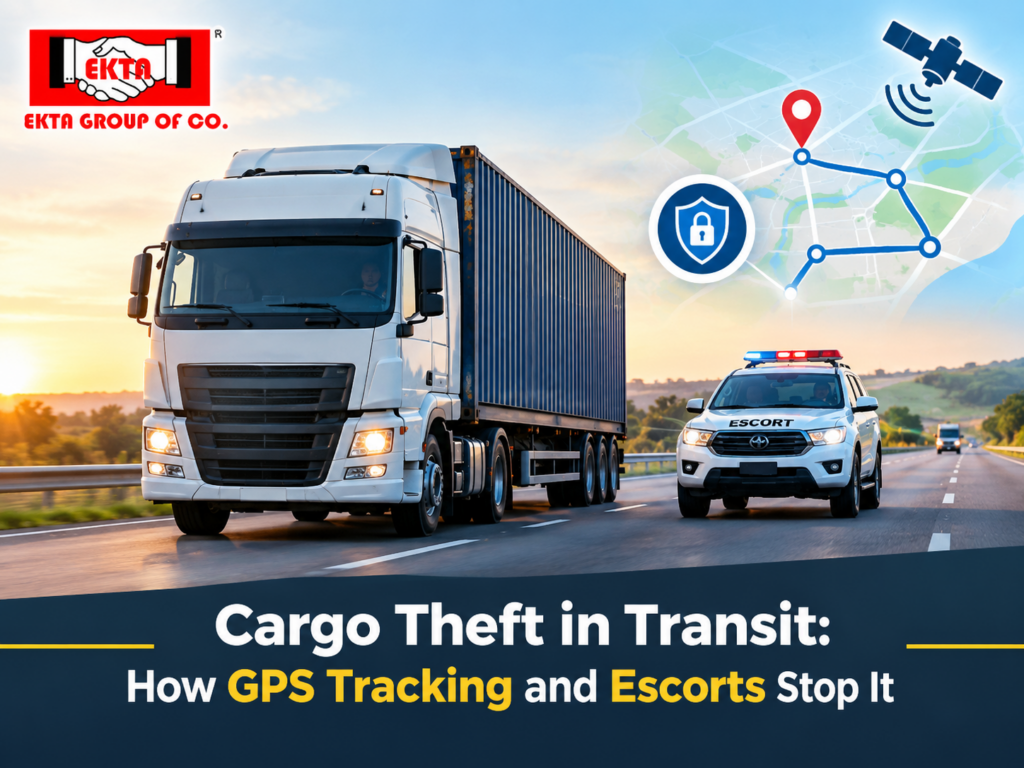
Cargo Theft in Transit: How GPS Tracking and Escorts Stop It

The truck left the plant on schedule. Eleven hours later, it should have been at the warehouse. Instead, the driver’s phone was switched off, the dot on the tracking screen sat beside a roadside stop for three hours, and nobody checked the screen. That quiet gap between “something is wrong” and “someone noticed” is where most losses happen. Cargo theft in transit rarely looks like a film hijacking. It usually looks like an ordinary delay that nobody questions until it’s too late. Effective cargo theft prevention is less about one clever gadget and more about ensuring everyone sees and acts quickly on every unusual moment on the road. Where Cargo Goes Missing Before choosing tools, it helps to know what you’re defending against. In our experience, losses cluster around a few predictable moments. Unscheduled stops Fuel stops, tea breaks, and “mechanical trouble” are normal parts of a long haul. They’re also the moments when a vehicle is stationary, isolated, and easy to approach. An unplanned stop, or one that runs far longer than it should, deserves attention. Route deviation A truck that quietly leaves its approved route is a red flag, whether it’s a harmless shortcut or something far worse. Without a way to see the deviation as it happens, you only find out when the goods don’t arrive. Inside knowledge Most people don’t realise how often theft depends on someone knowing the load, the route, and the timing. That doesn’t always mean the driver’s dishonest. Information leaks through many hands before a shipment even leaves the gate. Good freight theft prevention assumes this and builds controls that don’t rely on trust alone. Night and low-visibility stretches Fatigue, poor lighting, and empty roads work in a thief’s favour. These are the hours when a vehicle needs someone watching it most. What a Cargo GPS Tracker Does (and Doesn’t) A cargo GPS tracker is the foundation of any serious transit security setup, and for good reason. It gives you a live location, a trail you can review afterwards, and the ability to set rules around where a vehicle should and shouldn’t be. Used properly, it lets you: See deviations in real time, rather than reading about them in a report the next morning Set geofences around approved routes, depots and delivery points, so a departure triggers an alert Flag long or unplanned halts before they turn into losses Build an accountability trail, which discourages the casual opportunism that a “no one is watching” feeling invites Here’s where things get interesting, though. A tracker is only as useful as the person watching it. An alert that lands in an unattended inbox is just data. And someone who knows what they’re doing can tamper with, block, or remove tracking devices. Treating a cargo GPS tracker as a complete answer leaves companies with expensive hardware and the same losses as before. So the real question isn’t “do we have tracking?” It’s “who sees the alert, how fast do they act, and what happens next?” Why Escorts Close the Gap Tracking tells you something is wrong. An escort can do something about it. A trained escort vehicle travelling with or near the cargo changes the situation in three ways. First, it deters. A moving vehicle with visible security is a much harder target than a lone truck, and most opportunists simply move on. Second, it responds. If a vehicle is stopped or approached, someone is already there, rather than minutes or hours away. Third, it verifies. An escort can confirm in person whether a halt is routine or a problem, reducing false alarms and wasted panic. For high-value or sensitive consignments, armed escorts add a further layer of deterrence. The right level depends on the cargo’s value, the route’s risk, and the nature of the movement, which is why a one-size-fits-all escort plan rarely works. The Layered Approach: Why One Measure Never Is Enough Think of cargo theft in transit as a problem with several weak points. Close one, and pressure shifts to the next. That’s why we plan transit security in layers. For cash and valuables movements, for instance, we combine three elements: the regular security guard, a gunman, and a dog squad unit. Each covers something the others can’t. The guard handles procedure and verification. The gunman provides armed protection. The dog and handler add a visible, credible deterrent that makes anyone planning to intercept a vehicle think twice. The same logic applies to ordinary freight. GPS tracking gives you visibility. An escort gives you a physical response. Verified, trained personnel reduce risk from within. A monitoring team gives the alerts somewhere to land. Remove any one, and the others carry more weight than they should. Building a Freight Theft Prevention Plan That Works If you’re reviewing how your own consignments move, here’s a practical starting point. Classify your loads. Not every shipment carries the same risk. Rank them by value, resale appeal and how identifiable they are, and match protection to risk. Map the route, not just the destination. Know where the isolated stretches and common halting points are, and plan stops deliberately rather than leaving them to chance. Decide who watches the screen. Assign monitoring to a person or team with the authority to act, including after hours. Write down the escalation steps. If a truck goes off route or stops too long, what happens in the first five minutes? If nobody knows, the alert is wasted. Limit who knows what. Share load details and timings only with those who need them. Verify the people. Police-verified drivers and escort staff, with clear accountability, remove much avoidable risk. Review after every incident and after every near miss. The near misses are free lessons. How We Approach It at Ekta Group Ekta Group has been delivering security and transport services across Mumbai and Thane since 1992. Our transport division runs a GPS-tracked fleet for corporate and industrial cargo movement, and our security division provides armed escort services and cash-in-transit protection. That means
Compliance, Facility, security, Transport

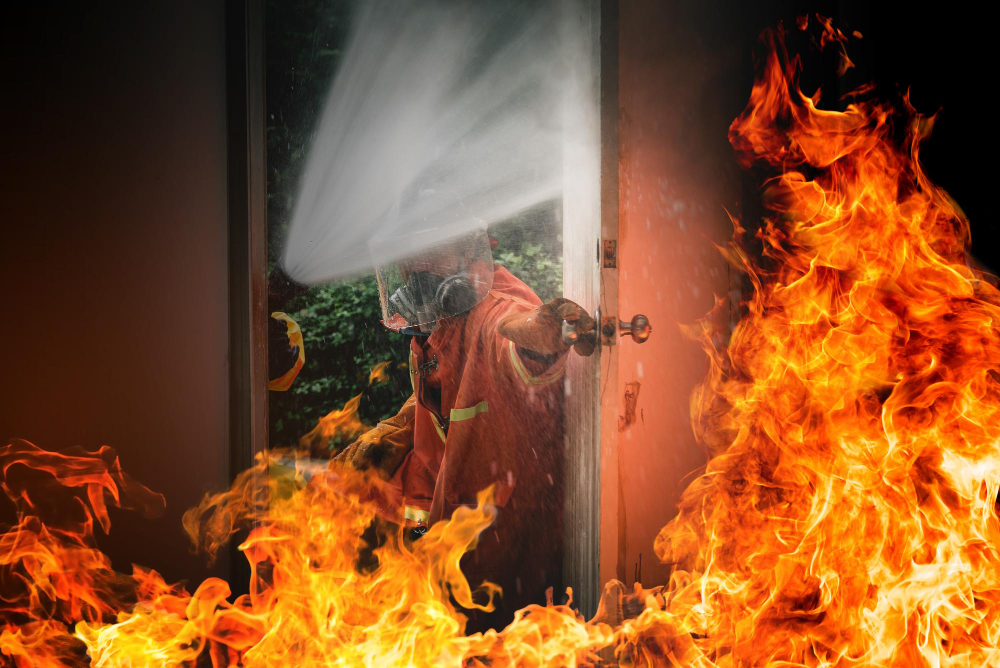
Fire Safety and Emergency Preparedness for Offices & Malls

Fire emergencies don’t start with chaos. They start with one small oversight—an overloaded socket, a blocked exit, an untrained employee, or a system that wasn’t checked “because nothing ever happens.” In offices and malls, where hundreds or thousands of people gather daily, fire safety and emergency preparedness is not a checklist item—it’s a responsibility. When systems fail, the consequences are immediate, visible, and irreversible. Across India’s commercial hubs like Mumbai, Thane, and Navi Mumbai, incidents repeatedly show one truth: fires don’t kill people—lack of preparedness does. This is why professional, on-ground fire safety planning backed by experienced service providers like Ekta Group of Company has become essential for modern offices and shopping malls. Why Fire Safety and Emergency Preparedness Is Critical for Offices & Malls Commercial spaces face unique fire risks compared to residential buildings. Offices and malls typically have: High electrical load Centralised air conditioning systems Combustible interior materials Food courts and pantry areas Heavy footfall and public access Multiple tenants and layouts In such environments, even a 30-second delay in response can turn a manageable incident into a full-scale disaster. Fire safety and emergency preparedness are not just about compliance—it is about saving lives, protecting assets, and ensuring business continuity. Understanding Common Fire Risks in Offices and Malls Before prevention comes awareness. 1. Electrical Hazards Overloaded plug points Poor wiring Unauthorized extensions Unmaintained electrical panels 2. HVAC and Server Room Risks Overheating systems Dust accumulation Inadequate ventilation 3. Pantry & Food Court Fires Gas leaks Grease buildup Untrained kitchen staff 4. Storage and Back-of-House Areas Flammable materials Blocked exits Poor housekeeping Professionals from Ekta Group of Company are trained to identify these risks during routine security and facility inspections—before they escalate. Fire Safety vs Emergency Preparedness: Understanding the Difference Many businesses confuse these two concepts. Both are essential, but they serve different purposes. Fire Safety focuses on: Prevention Detection Firefighting equipment Infrastructure readiness Emergency Preparedness focuses on: Human response Evacuation procedures Communication systems Training and drills True protection comes when fire safety systems and emergency preparedness plans work together seamlessly—a core principle followed by Ekta Group of Company in commercial environments. Essential Fire Safety Systems for Offices & Malls 1. Fire Detection and Alarm Systems A working fire alarm is the first line of defense. Must-have elements: Smoke detectors Heat detectors Manual call points Audible and visual alarms Systems must be: Regularly tested Clearly audible across floors Connected to emergency response teams 2. Firefighting Equipment Fire extinguishers alone are not enough if people don’t know how to use them. Essential equipment includes: ABC fire extinguishers CO₂ extinguishers for electrical fires Hose reels Sprinkler systems Security teams from Ekta Group of Company are trained in basic firefighting response until fire services arrive. 3. Emergency Lighting and Exit Signage During fires, power failure is common. Ensure: Emergency lights in corridors and staircases Illuminated exit signs Clearly marked evacuation routes Blocked or poorly marked exits are a major cause of casualties in malls and office buildings. Emergency Preparedness: The Human Side of Fire Safety Even the best systems fail if people panic or don’t know what to do. 1. Clear Evacuation Plans Every office and mall must have: Floor-wise evacuation maps Designated assembly points Separate plans for visitors, staff, and vendors Ekta Group of Company helps implement evacuation protocols that are practical, not theoretical. 2. Trained Emergency Response Teams Fire marshals and safety officers play a crucial role. They should: Guide evacuation Prevent stampede Assist differently-abled individuals Coordinate with fire brigade Professional security staff from Ekta Group of Company often act as first responders during emergencies. 3. Regular Fire Drills (Not Just on Paper) Fire drills should: Be conducted at least twice a year Involve all employees and tenants Be documented and reviewed Drills expose real-world gaps—locked exits, confusion, slow response—that can be corrected only through practice. Fire Safety Compliance: Legal Responsibility of Offices & Malls In India, commercial establishments must comply with: Local fire department norms National Building Code (NBC) Municipal regulations Non-compliance can result in: Fines Closure notices Insurance rejection Legal liability By partnering with experienced service providers like Ekta Group of Company, businesses stay aligned with compliance requirements while focusing on core operations. Role of Security Personnel in Fire Safety and Emergency Preparedness Security teams are often the first line of response. Their responsibilities include: Detecting early warning signs Triggering alarms Guiding evacuation Securing entry and exit points Coordinating with emergency services Ekta Group of Company trains its personnel specifically for commercial fire safety protocols, making them assets—not just guards. Fire Safety Challenges Unique to Shopping Malls Malls present additional complexities: High visitor turnover Children and elderly visitors Multiple food outlets Temporary kiosks Peak-hour crowd density Emergency preparedness in malls must account for crowd psychology, not just systems. Professional planning and trained manpower from Ekta Group of Company significantly reduces chaos during emergencies. Fire Safety Challenges Unique to Office Buildings Offices face different issues: Server rooms and IT infrastructure Long working hours Night shifts Closed cabins and partitions Emergency preparedness plans must be tailored floor-wise and department-wise, something Ekta Group of Company actively supports. Common Fire Safety Mistakes Offices & Malls Make Despite good intentions, many establishments fail due to: Ignoring minor electrical issues Blocking fire exits for storage Skipping drills Hiring untrained security staff Treating compliance as a one-time task Fire safety and emergency preparedness must be continuous, not seasonal. How Ekta Group of Company Supports Fire Safety & Emergency Preparedness Ekta Group of Company brings a practical, on-ground approach to commercial safety by offering: Trained and verified security personnel On-site monitoring and vigilance Emergency response coordination Compliance-oriented operations Customized safety support for offices and malls Their experience across multiple commercial environments makes them a reliable partner for proactive safety planning. Building a Fire-Ready Culture, Not Just a Fire-Safe Building Technology can detect fire—but people prevent disasters. Encourage: Reporting of hazards Safety awareness sessions Accountability at all levels Continuous improvement When management, staff, and security teams work together, fire safety and emergency preparedness become part of daily operations—not a forgotten file. Final Thoughts: Preparedness Saves Lives, Not Panic Fire emergencies don’t give second chances. For offices and malls, investing in fire safety

Scroll to Top